
Why EMS Uses Them, and Why We Often Don’t
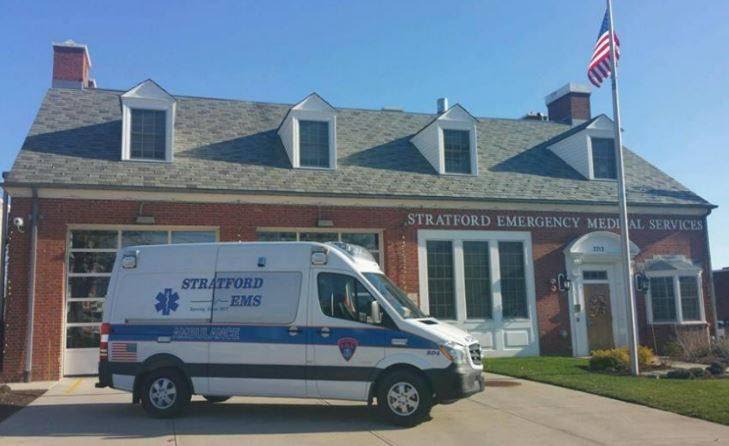
When most residents think about an ambulance responding to an emergency, they typically picture flashing lights and loud sirens. TV, movies and decades of public perception reinforce this concept. So when a Stratford EMS (SEMS) ambulance arrives at the scene or transports a patient to the hospital without using them, it can understandably raise a lot of questions.
Were they delayed? Did they think my emergency was not serious enough? Did something go wrong?
The short answer is no. In fact, the decision to use lights & sirens (L&S) is one of the most carefully and deliberately applied operational choices in modern EMS.
The Reality of Lights & Sirens in Modern EMS
At SEMS, we don’t automatically use lights and sirens on every call. This is an extremely outdated and careless way to provide EMS in Stratford. Instead, we rely on nationally validated emergency medical dispatch protocols, clinical decision making, and best practice safety standards.
- SEMS Average Emergency response time: 6.5 min
- Percentage of responses using lights & sirens to the scene: 30%
- Percentage of transports using lights & sirens to the hospital: 20%
Those decisions are driven by patient condition, medical necessity and public safety, not convenience or cost.
In 2022, SEMS proudly participated in a national lights and sirens study conducted through the National EMS Quality Alliance (NEMSQA), a leading organization dedicated to data driven improvement in prehospital care. The research reinforced what decades of EMS literature have already shown us very clearly, which is that lights and sirens do not meaningfully improve patient outcomes for most medical emergencies. It does significantly increase risk. Risk to our responders, the patient and the motoring or walking/riding public. This study was followed by a Joint Statement on lights & Siren Vehicle Operations on EMS Responses by a coalition of national EMS and public safety organizations. The statement urged agencies to adopt safer, evidence-based response practices. https://naemsp.org/resources/lights-and-sirens/
The statement summarized years of peer-reviewed research which showed:
- Minimal Time Savings when lights & sirens were used.
- No improvement in outcomes for most patients
- Significant increase in crash risk
A landmark study was published in PreHospital Emergency Care which found that L&S use increased the risk of ambulance crashes by up to 50% without providing meaningful clinical benefit in most cases. https://www.tandfonline.com/doi/abs/10.1080/10903127.2019.1601271
Another national review concluded that routine use of L&S during transport to the hospital is unnecessary in over 80% of EMS responses. https://pubmed.ncbi.nlm.nih.gov/19902327/
The takeaway for EMS is clear, more L&S do not equal better medicine.
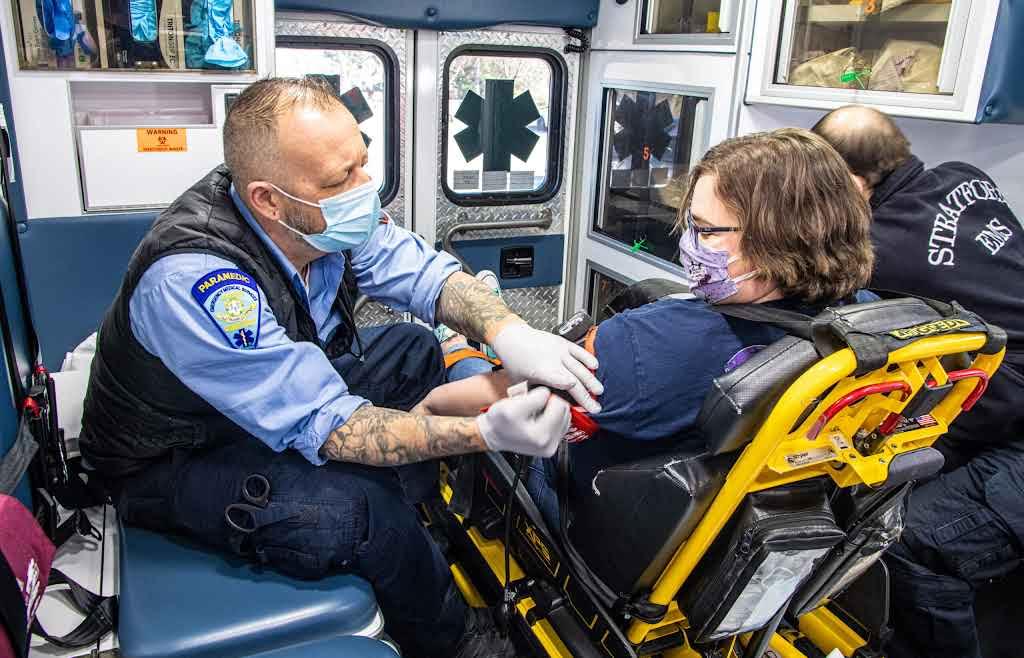
So, how does SEMS decide when to use L&S? Every call that goes through the Stratford 9-1-1 center is processed using state mandated and nationally vetted emergency medical dispatch protocols. These protocols, used around the world, rapidly asses:
- Level of consciousness
- Breathing status
- Chest Pain symptoms
- Stroke indicators
- Trauma severity
- Bleeding
- Mechanism of injury
Based on these factors, calls are then “triaged” into acuity categories which determine the safest and most clinically appropriate response. When we do use L&S, it is because the patients condition very clearly warrants rapid intervention, such as:
- Cardiac arrest
- Heart attack
- Stroke
- Severe Trauma
- Life-threatening bleeding
- Unconscious patients
To name a few. In these cases, seconds really do matter. For most medical emergencies however, a controlled, predictable and safe response is clinically superior.
You might want to ask, why not use lights and sirens on every call, “just in case”? One of the greatest misconceptions is that faster always means better. If we were to respond L&S to a child choking and got into an accident, the public could likely support the effort, but if we were responding L&S for a stubbed toe (yes we do actually get called for things this minor) and we got into an accident on the way, it would be absolutely understandable for the public to be pretty frustrated and upset, especially if that accident hurt other people. Whether it was our fault or not, it would be considered completely unnecessary.
In reality, high speed ambulance operation introduces major risks:
- Increased likelihood of motor vehicle collisions
- Higher chance of injury to EMS crews
- Increased risk to pedestrians, cyclists (Stratford is proud of it’s sidewalks, bike lanes and walking areas) and other motorists
- Greater danger to the patient being transported
Ambulance crashes remain one of the leading causes of line of duty injuries and deaths among EMS professionals nationwide. Put this together with SEMS commitment to safety and were informed to adjust practice. Another way to consider this is that we cannot effectively help our patients if we crash en route to the scene.
By responding without L&S when clinically appropriate, we:
- Reduce crash risk
- Improve patient comfort
- Maintain crew safety
- Protect the public
- Preserve system reliability
This approach reflects national best practices, not reduced urgency. It also lowers risk to the Town which in turn reduces legal and financial burdens to the taxpayer. It is our responsibility to the residents to look at and address these issues in a thoughtful and careful way.
Stratford EMS maintains a commitment to data driven EMS. We have long embraced evidence based medicine and operational data to guide policy. Our participation in the NEMSQA study reinforces this commitment to continuous improvement and patient safety.
NEMSQA is a national leader in EMS quality metrics and performance benchmarking. You can learn more about them at: https://nemsqa.org/
What Stratford residents should take away from all of this is that if your ambulance arrives at your house without their lights & sirens on or doesn’t transport you to the hospital with them on it means:
- Your condition was carefully assessed
- You were not in immediate life threatening danger
- The safest and best medical approach was chosen for you
It does not mean your emergency was taken lightly.
It is important to state that. In no way does any of this mean that SEMS is perfect. What it does mean is that when there are problems, we review them based on fact—not feelings, on data—not opinions, and if an area for enhancement is identified, we adjust in a safe and thoughtful way. We are committed to operating this way because it is the safest way to carry out our most important mission, which is YOU!
All of this also means that you benefited from modern EMS science, advanced clinical protocols and a commitment to safety.
As EMS continues to evolve, Stratford EMS remains dedicated to national research participation, clinical excellence, system transparency and community education. Our goal is not only to respond rapidly when needed, but to execute our service provision safely and wisely because in emergency medicine, the safest care is the best care.
Sources & References
- Joint Statement on Lights & Siren Vehicle Operations – NAEMSP, IAFC, NEMSQA, and partners (2/14/2022)
https://naemsp.org/resources/lights-and-sirens/ - Prehospital Emergency Care – Impact of Lights and Sirens on Ambulance Crash Risk
https://www.tandfonline.com/doi/abs/10.1080/10903127.2019.1601271 - National Library of Medicine – EMS Transport Safety and Outcomes
https://pubmed.ncbi.nlm.nih.gov/19902327/ - National EMS Quality Alliance (NEMSQA)
https://nemsqa.org/
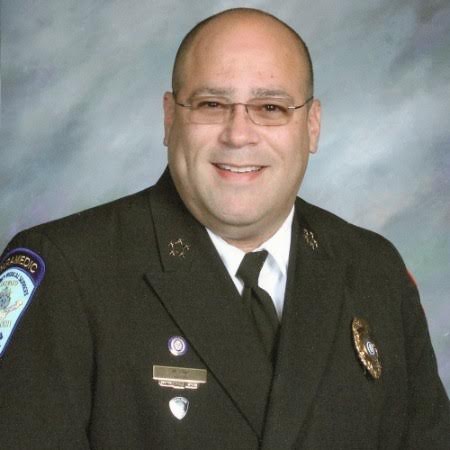
Michael Loiz, The Director of Stratford EMS, is an experienced Public Safety executive with over 32 years of experience in EMS, education, public safety dispatch and emergency management. He is currently a paramedic/EMS director for a 911 only, third-service, municipal EMS department, and owner of The Public Safety Consulting Group (PSCG) in Connecticut. He also runs the popular, “EMS Leadership” podcast. Contact him by email. He is currently the NAEMT CT Advocacy Coordinator and the Chair of the Legislative Committee of the CT EMS Advisory Board (CEMSAB) since 2017.

