


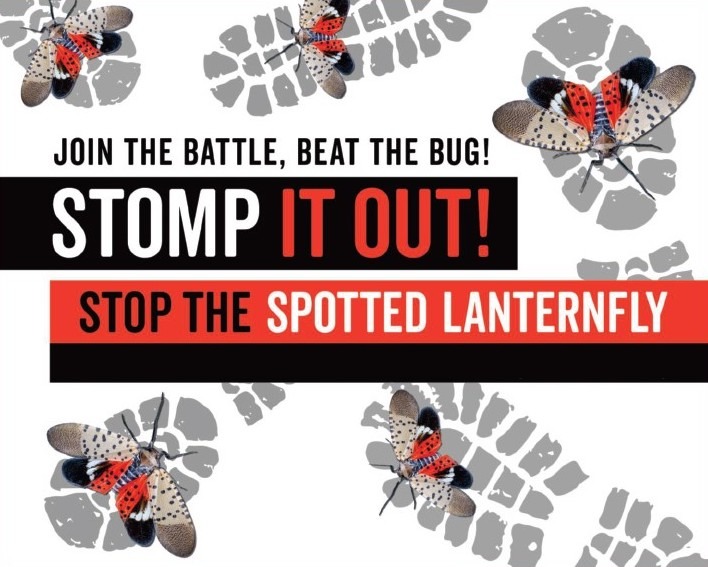
Look Out For Invasive Species
Recent media reports on an invasive species of insects and the diseases they carry are prevalent in Stratford. In a phone interview with Andrea Boissevain, Director of Health for the Town of Stratford’s Health Department, she shared that in partnership with the State of Connecticut Department of Agriculture, their teams are working to track these invasive species, especially ticks and mosquitos. Spotted Lanternflies, while prevalent in Stratford, do not carry disease.
The Stratford Health department has received many calls about the Spotted Lanternflies (SLF), and their advice is to squash them and report them to the Connecticut Agricultural Experimental Station (CAES). The Connecticut Department of Agriculture has issued a quarantine on SLF and has a form on-line to fill out when you find one or more of them. Information, control advice, plus resources for SLF management are found on the Connecticut Agricultural Experiment Station link (https://portal.ct.gov/caes). For self-reporting you can find the form at: https://survey123.arcgis.com/share/e1257e88b7924a06a79858096d9187fb?portalUrl=https://USDA-APHIS.maps.arcgis.com.

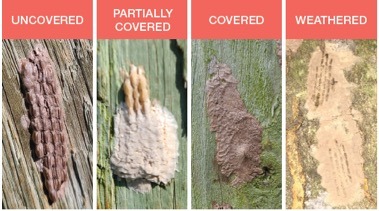
According to the CAES, Spotted Lanternflies (Lycorma delicatula) represent a threat to Connecticut’s environment, residential areas, and agricultural interests. There were two small established populations in Fairfield County in 2020, but as of July 2025, they have been seen in all counties, though not confirmed to be in sustaining populations. They are currently widespread in Fairfield and New Haven counties, and are in multiple states as well.
One fruit in particular that has fallen victim to the SLF are grapes. Also prey to the SLF are hops, ornamental trees, and more than 70 species of plants. The tree-of-heaven, Ailanthus altissima, is a highly invasive tree, abundant along highways, urban areas, agricultural and industrial areas, and it is also a host for the Spotted Lanternflies, as are maple, walnut, and willow trees.
To naturally eliminate spotted lanternflies, you can use readily available household items like vinegar, dish soap, and neem oil. Vinegar can be sprayed directly on the insects to kill them on contact, although the vinegar can be harmful to plants. A mixture of dish soap and water can suffocate and kill lanternflies. Neem oil, a natural pesticide, can be used to eliminate lanternflies on contact or as part of a trap.
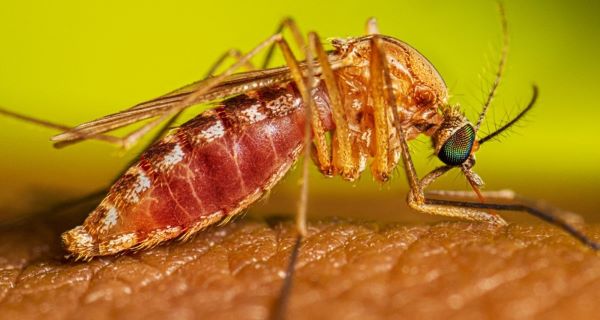
Who doesn’t hate mosquitos? Not only are they annoying, but can carry diseases. Andrea shared that The Connecticut Agricultural Experiment Station is taking the lead in testing mosquitos at the two state-run mosquito testing stations in Stratford: Beacon Point (the road leading to the Water Pollution Control facility and Stratford Animal Control) and Beaver Dam. Samples are collected once or twice a week for testing, which is done at the Connecticut Agricultural Experiment Station in New Haven. They track mosquitos by town, and test for a variety of diseases mosquitos carry. The Stratford Health Department recently announced that the Connecticut Agricultural Experiment Station reported mosquitos trapped at Beaver Dam Road tested positive for West Nile Virus (WNV). The isolates were from the Culex salinarius, a mammal biting species of mosquitoes. To date no one in Stratford has tested positive for West Nile, according to Boissevain.
She said the Town no longer sprays for mosquitos, but uses larvicides to kill mosquito larvae and pupae before they can grow into biting adult mosquitoes. The larvicides are dropped into the more than 5,832 catch basins in town, where the mosquitoes pool. They try to educate on prevention, recommending that you dump water out of all receptacles (they can reproduce in water in spaces as small as bottle caps),repair screens, wear long sleeves, and use an insect repellant that contains Deet.
A lab assay a couple of weeks ago notified the health department that there was a positive test for Jamestown Canyon virus.
- Editor’s Note: According to the Center for Disease Control, the Jamestown Canyon virus is spread to people by infected mosquitoes. There are no vaccines to prevent or medicines to treat Jamestown Canyon virus that can cause encephalitis.
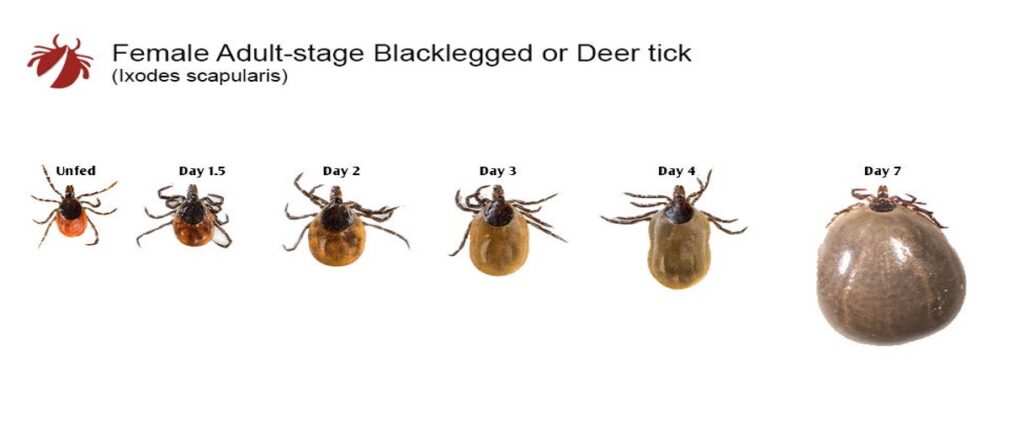
Ticks are another worrisome problem. Should you find a tick, remove and save it, and bring it to the Stratford Health Department. They will send the ticks to the Agricultural Experiment Station in New Haven where they will be tested for Alpha-gal syndrome (AGS), Lyme disease, Anaplasmosis, Ehrlichiosis, Babesiosis, Powassan (POW), Rocky Mountain Spotted Fever, and Tularemia.
“Should there be a positive identification for disease,” Andrea said, “we recommend that you contact your doctor and let them know that you have been notified by the health department. If not a deer tick (photo below), it could be an American Dog tick (photo below) which does not carry Lyme disease but Rocky Mountain spotted fever, which is relatively rare in Connecticut. The Lone Star tick carries other diseases, most notably an allergy to red meat, the Alpha-gal syndrome. Right now this is beyond our scope and not yet happening.”
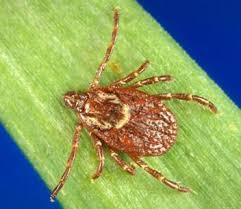

Stratford, as a Coastal Community, provides perfect locations for the breeding and multiplying of these invasive species. We have tidal wetlands, multiple ponds throughout town, and many trees for those Lantern Flies to lay eggs.
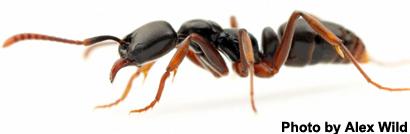
And now for some good news. Boissevain said that according to the Connecticut Health Department there is no record of the Invasive Asian Needle Ant in Connecticut.
Sources: The Connecticut Agricultural Experiment Station; Town of Stratford Health Department, Andrea L. Boissevain, MPH, Director of Health; Connecticut Department of Agriculture; Center for Disease Control; University of Rhode Island; Connecticut Public Radio

