


The streetlamp over my head flickered. Then, everywhere stars.
Where were you in 2003? One of the biggest blackouts in North American history showed us how vulnerable our large-scale infrastructure is: a “transmission line fault” plunged 50 million people into darkness and caused widespread panic.
Far more outages are caused by natural disasters, like Henri. In 2021, the hurricane hit Connecticut as a tropical storm, knocking out power and flooding streets as it went. Due to climate change, storms like these are intensifying and increasing.
Our demand for power over the past two decades has increased, too: everything from smartphones to smart dishwashers and door locks. This places yet more strain on the grid, and when there is increase for demand without sufficient supply, costs go up.
Costs in Connecticut have been a source of ire. Bickering and infighting at the State’s regulatory authority played out in the papers all of this year. In September, Chairwoman Marissa Gillett resigned, citing the struggle to keep costs down amidst “pushback.” In October, a rate hike was approved, increasing United Illuminating homeowner’s bills anywhere from $9.99 to $13 per month, as reported by the Connecticut Post.
But it’s not our “smart homes” alone spiking cost.
Enter the tech sector, and the development and dissemination of generative AI that requires vast amounts of power (and water) to operate, placing yet more strain on the electrical grid (and environment), which in turn raises rates for everyone.
According to a report from MIT published in January, “The computational power required to train generative AI models that often have billions of parameters, such as OpenAI’s GPT-4, can demand a staggering amount of electricity, which leads to increased carbon dioxide emissions and pressures on the electric grid.”
With increases in population, demand for energy, resulting cost, and the ever-present threat of climate disaster, how can the macrogrid serve everyone’s needs? It can’t.
Enter the microgrid.
What is a microgrid?
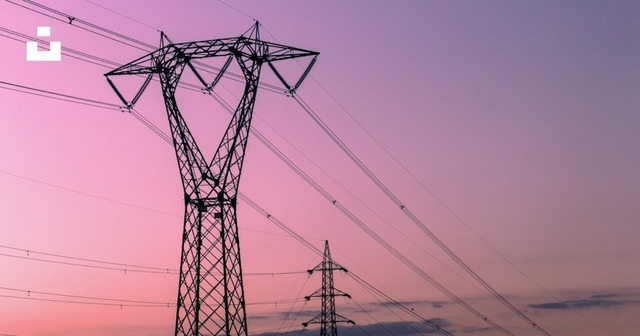
It’s exactly what it sounds like. Most of us are familiar with the macrogrid that provides us our daily power by piping it through the existing infrastructure of transmission lines. A microgrid, in contrast, is a small, localized power source. Microgrids can run on a variety of fuels including “renewables, natural gas-fueled combustion turbines, or emerging sources such as fuel cells or even small nuclear reactors, when they become commercially available.”
What does a microgrid do?
A micro-grid generates, stores, and provides energy for a localized source; whether that’s a single house, business, or a whole neighborhood. Some micro-grids can operate in two modes: an “integrated grid” generates and delivers energy across micro and macrogrids; an “islanded grid” generates and delivers energy only to the local microgrid.
What is the potential of a microgrid?
Imagine a microgrid powering a small cluster of homes and essential services through solar energy, and storing that energy in batteries for stormy days. When a storm hits now, the existing macrogrid puts thousands of people, whole towns and cities, at risk for outages through cascade failures.
But with clusters of microgrids in “island mode,” many of our neighbors, and vital services like hospitals and community centers, would have a better chance of weathering whatever disaster arises.
It’s early days yet for the technology, with just under 700 microgrids in the United States. But while these grids provide only .03 percent of power to the country, their capacity has grown by almost 11 percent in the past four years, according to a report from The Center for Climate and Energy Solutions.
Around December 2020, the United States Department of Energy began a R&D program for microgrids, with the vision that by 2035 they would be “essential building blocks of the future electricity delivery system.” The future of this program, along with other clean and alternative energy projects is uncertain under the Trump administration.
In a piece published recently for The Conversation, Associate Professor of Sustainability at Georgetown University, Roshanak (Roshi) Nateghi, notes that in 2024 the Trump administration cut funds from the Grid Resilience and Innovation Partnerships Program, which included funding for microgrids, and affected 24 States.
“Microgrid projects in New York, New Mexico and Hawaii would have kept essential services running during disasters, cyberattacks and planned power outages,” asserts Nateghi.
Here in Connecticut, last year, the submarine base at New London powered up its new microgrid. A $250 million dollar project that took ten years to build and is made up of “a combination of generators and fuel cells” that use natural gas.
On a visit to the base in October that year, Governor Ned Lamont championed the reliability of the new grid, “This is what this is all about, You know, whether this be about more severe weather events or bad actors, the lights stay on at our navy base. It’s important for our security and the world.”

