

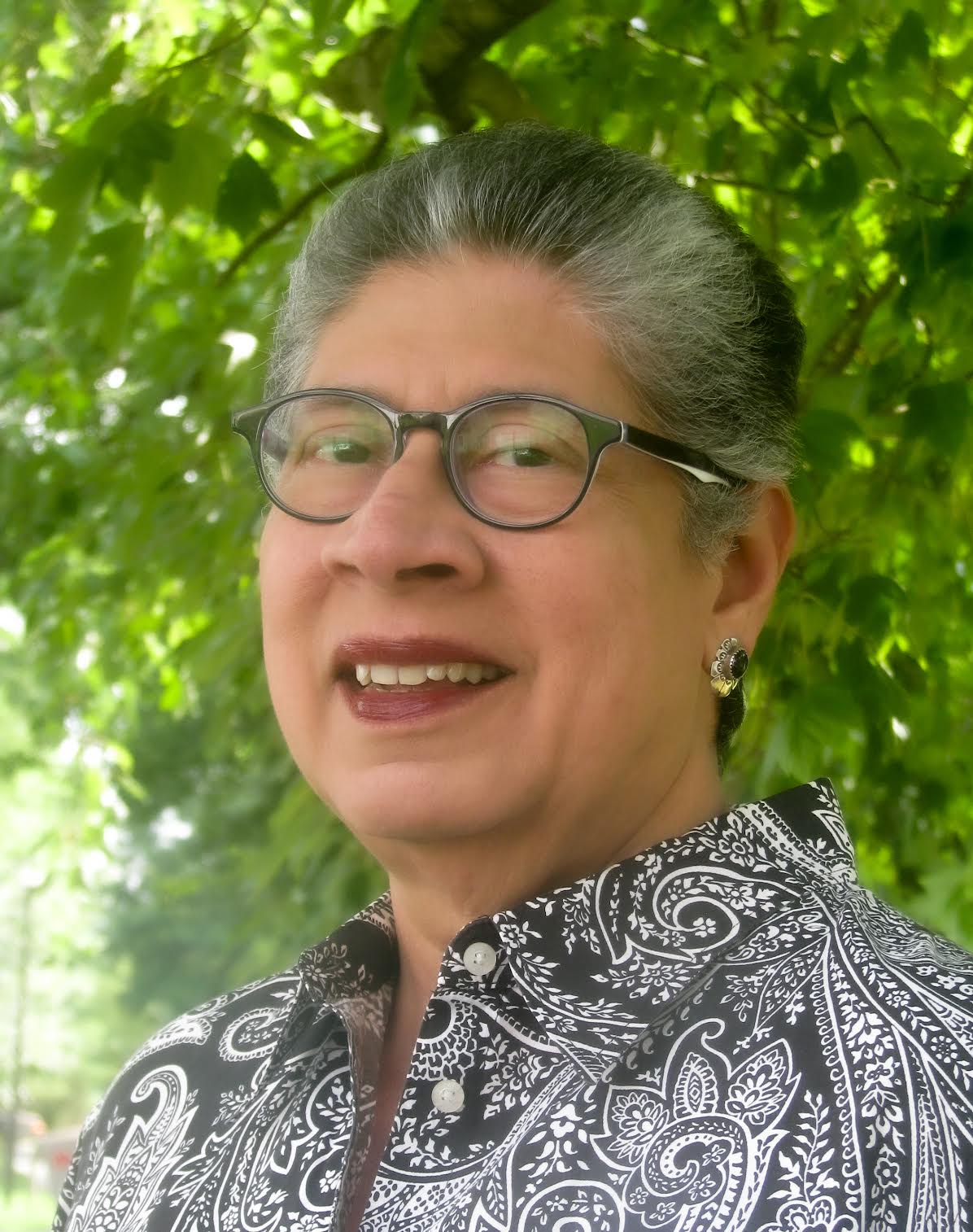
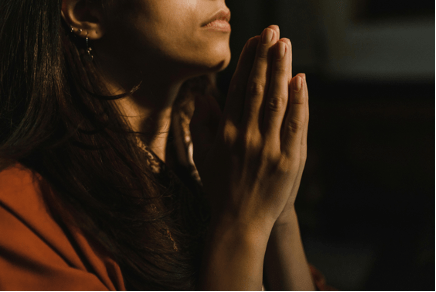
I grew up in a Hispanic Catholic household. One of the first things I learned from my early religious instruction was prayer. These prayers were formal and prescribed. As a six-year-old, I read those prayers as often as I could until I remembered them. Since I was just learning about this spiritual practice, having a pattern was helpful. Sometimes I understood the objective of the prayer. Other times the words seemed rambling or mysterious. I was taught that God was a Heavenly Father who created Heaven and Earth. He was also kind and forgiving. There was something very comforting about a father who didn’t yell, even when you confessed your sins. I may have felt guilty for a while, but after “fessing up”, I wanted to do better because I felt accepted as well as forgiven. That was very healing and sometimes celebratory for me. My heart felt lighter.
As I went to high school and college my prayers were requests for things. I asked God to bless my performances in plays and poetry competitions. I prayed for a good boyfriend, better grades, and a better life. Since I felt alone, I wasn’t sure where to turn except to God. Sometimes, I would return to the tried-and-true prayers of my Catholic faith, but the words felt hollow. I wondered if God or anyone else heard me.
What I gradually came to learn was that I needed to listen to God as much as I expected him to listen to me. Slowly, I understood that prayer was a dialogue. I needed to understand what was being conveyed to me by impressions from the Holy, by my study of the scriptures, and by encounters with people who were acting as God’s helpers. Many times, I didn’t realize this until the person was gone. At other times, the connection was so clear that I felt such peace and goodwill in the encounter. I didn’t want to leave the person, but knew that they (and I) had to carry on with our own lives.
In its simplest form, prayer is understood as a request or an expression of praise to a deity. The Encyclopedia Britannica defines prayer as “an act of communication by humans with the sacred or holy—God, the gods, the transcendent realm, or supernatural powers. Found in all religions in all times, prayer may be a corporate or personal act utilizing various forms and techniques. Prayer has been described in its sublimity as ‘an intimate friendship, a frequent conversation held alone with the Beloved’ by St. Teresa of Ávila, a 16th-century Spanish mystic.” This definition shows that prayer is universal. People around the world pray for help, protection, resources, and wisdom. They are asking their God for peace, healing, and justice in a world that is ravaged by violence, greed, and corruption.
Over a week ago, we had one of the most heinous acts of gun violence in the history of our nation. An active shooting took place at Annunciation Catholic Church in Minneapolis, just after the start of a morning mass. This was the first day of school for the children who attended the school affiliated with the church. Two children died and there were several injuries. The irony of children being threatened in a place that is supposed to be safe – a church sanctuary – is not lost on me. Yet, the children who survived this horror continued to turn to their God. One little girl who was interviewed said, “I just kept praying, ‘God, keep me safe. God, keep us safe. God, keep my friends safe.’” Once the children fled from the church to the gymnasium, they prayed (aloud, silently, and corporately). Then they sang a popular Christian song. The words of the song united them and helped to keep them calm, despite the terror around them. Their prayer was in the words, “Lord prepare me to be a sanctuary, pure and holy, tried and true. With thanksgiving, I’ll be a living, sanctuary for you.” This song said that they were each other’s shelter in this storm.
I have heard the cynics and others ask “Where was God in that moment? Why didn’t he protect those innocent children? What good is prayer if two children were killed and so many were injured?” My answer is that I believe that God was there in every gesture of valor and goodwill. I believe God was with the brave classmates and teachers who shielded their friends from bullets, the first responders, the friends and families who helped each other. What prayer did for the survivors was give them focus and solidarity, regardless of the chaos going on around them. Prayer may or may not change the immediate circumstances. But if we are sincere and open hearted, our prayers to God and the Universe can change us and galvanize us to act in holy and righteous ways that will help others and allow us to help ourselves.
The scientific community has gradually shown an interest in the effects of prayer on spiritual and emotional wellbeing. While some researchers say the effects of prayer cannot be measured, medical professionals know that things like blood pressure and heart rate can be measured. Plus, there are more studies about how prayer helps with stress reduction and brain function. A recent online post from Therapy Changes had a concise article on “The Physical, Psychological and Relational Benefits of Prayer.”
For me, prayers are the start of our response to tragedy. Thinking about someone who has suffered, and offering intercessions for their healing, protection, or safety begins the dialogue with their God and helps us to find our greater purpose in helping each other. I am saddened that the response “thoughts and prayers” has become a cliché and has even been denigrated in our popular culture. Thoughts and prayers are the beginning of remembrance, honor, and action. What I pray for is honest dialogue among our government officials, with some accompanying legislation to help eradicate the roots of inequality and violence. What I pray for is that the unsung heroes who help vulnerable and underserved populations have the resources to provide for them. What I pray for is an active and well-informed citizenry that offers help to their neighbors and holds officials accountable. That is how we put our thoughts and prayers into practice. Wherever we are, I pray that we all do our part.

