

Difficult conversations are often the most necessary ones to have. As a parent, having open and honest conversations is part of the job description, though we can’t always anticipate when these conversations must be had. Sometimes we are blindsided and forced into having difficult conversations.
- Like, the recorded beating and subsequent killing of 29-year-old Tyre Nichols in 2023, which I watched one too many times.
- Like, the death of Trey Reed, a 21-year-old who was found this month, hanging from a tree at his university in Mississippi.
- Like, the death of Charlie Kirk during a college campus debate.
- Like, the deaths of House of Representatives Speaker Emerita Melissa Hortman and her husband Mark Hortman, in their own home.
- Like the deaths of Colorado students.
There are too many people to list in this one article, but how do we have these challenging conversations with the developing minds of the littlest people in our community? That’s it…we have them as a community.
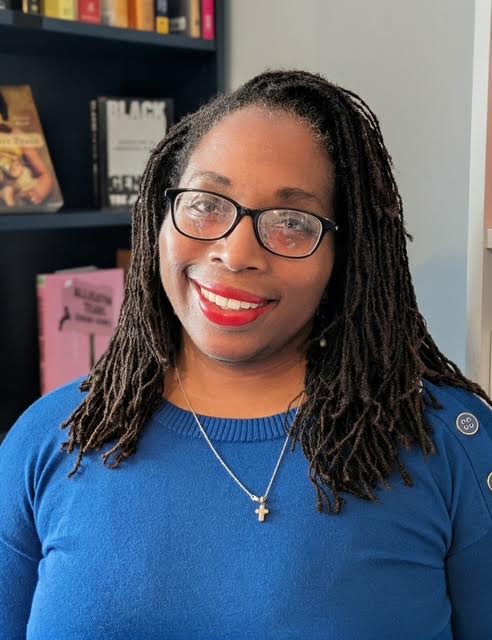
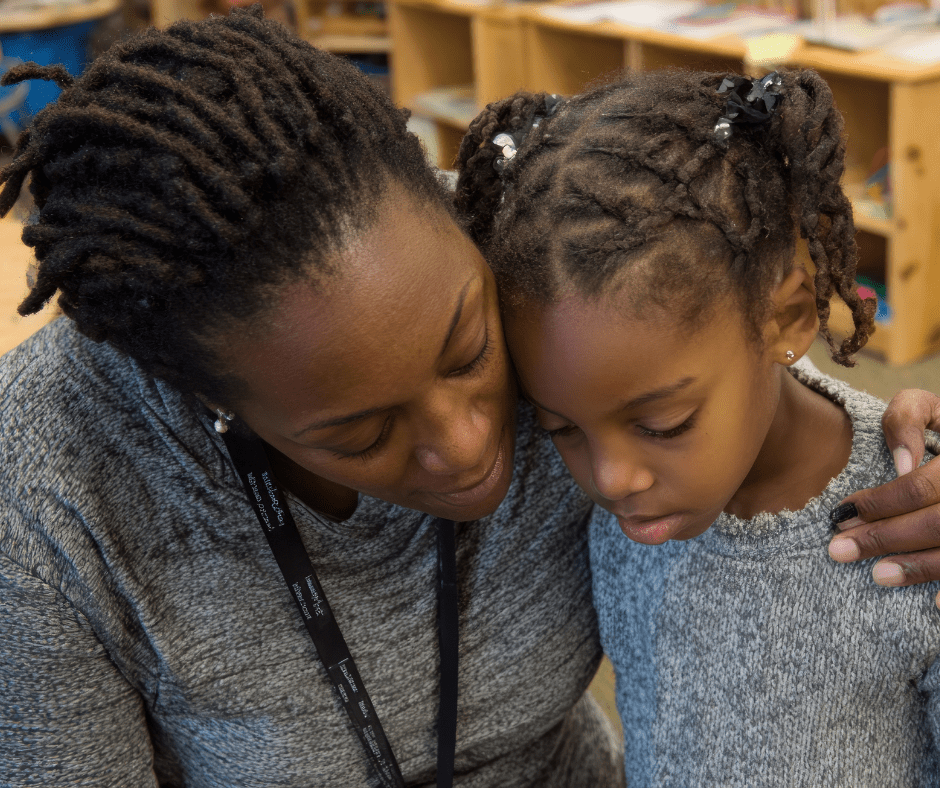
I am a parent. I have three kids ranging in age from 10-year-old twins to an 18-year-old. As a Black mom, raising three Afro-Lankan kids (half African American and half Sri Lankan), we’ve had difficult conversations already, necessary for their physical, emotional, and mental well-being. For parents, it is often difficult to be vulnerable in front of our kids, to converse from our heart and not from our head alone. When difficult things happen in this world that require us to respond, like school shootings that cause our children fear, we must be open to hearing what our kids say and validate their emotions. We must engage in hard topics and be unafraid of introducing them to question. This encourages dialogue.
In an article published by author and social and emotional learning expert Jennifer S. Miller, she says, “…the people… that are effective at opening up dialogue in those critical moments are those who create a safe space to share personal visions and contribute to shared meaning. In that space, they make it possible to solve the problem and build relationships.”
In her article, High Stakes Conversations, published in 2020 during the pandemic, she hits on three points that I believe should be a part of every conversation with our kids, especially the difficult ones.
1. Calm – any parent knows, that when emotions are high, so are voices. We often let our emotions take the driver seat, which can veer off of the intended path. Take a few short breaths to center yourself before diving into hard conversations with your kids (or really, anyone).
2. Contrasting views – this also relates to being genuine. It is ok to tell your kid “that’s simply not true” and differentiate between an opinion and a fact, and open the door for even more heartfelt conversations.
3. Pay attention – to your kids’ body language, to what they say (and don’t say),and adjust to their needs.
If they are silent, perhaps say, “What is on your mind right now?” Or if they aren’t focused on the conversation, say, “I just need ten more minutes of your attention, this is important.” Before the conversation ends, reassure your kid that they are safe, and they can always come to you with their honest feelings about anything.
This approach will be impactful for our children and whomever we dialogue with over any issues. During the murder of Trayvon Martin in 2012, my wife and I have been intentional, calculated even, about how, when, and where to have conversations with our kids about their physical safety and emotional safety.
Our children know we are a safe space and have asked:
“Why do people kill children when they are angry?”
“What does it mean to murder?”
“How do we know we can trust people who can be good to our kind of family?”
“Can someone hurt me because of our kind of family?”
“Is someone going to hurt me based on my skin color?”
Here we are, fifteen years after Trayvon’s murder, and we are still having difficult conversations about gun violence, about human rights, about civility. We will continue to do our part to teach our children the values of truth, compassion, kindness, and civility for all with our words and actions.

