

Fall Cleanup – Raking Leaves
It’s October, and while marveling at the autumnal show in New England, let’s take a look at what would be more environmentally sound.
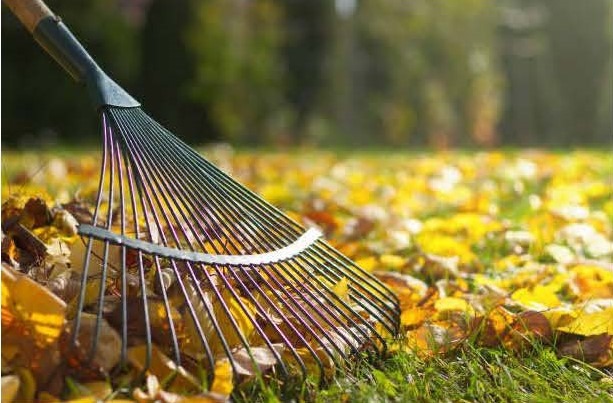
As temperatures drop and leaves begin to fall, most people take out the rakes to “clean up” our yards. But is this the best way for the environment?
The National Wildlife Federation has designated October as National Leave the Leaves Month to help raise awareness around this simple shift in yard care.
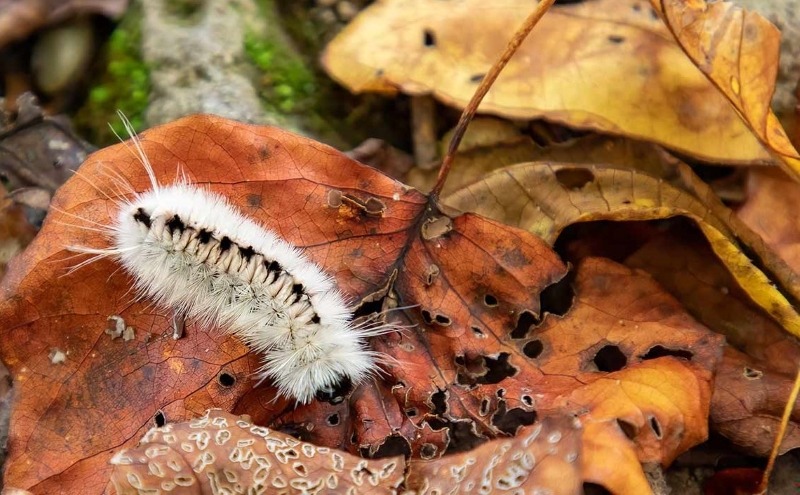
Leaves are an ecosystem inhabited by thousands of invertebrates. Leaves are important for pollinators whose habitat is declining due to chemicals used on lawns and gardens. You may want your yard to look like a golf course, but do you want to kill bees and butterflies? Think about that the next time you buy a jar of honey.
Leaves are Nature’s Fertilizer and Mulch
Saving leaves instead of raking and bagging them, then leaving them out on the town planting strip for pick-up in mid-December does not require a lot of energy. In fact, leaving the leaves on the lawn and mowing them will actually improve your lawn. The “leaf litter” will release nutrients back into your lawn, retain moisture during dry winter months, and will save you money at Home Depot, where leaf litter can replace purchased mulch.
Do you compost? Your compost bin is the perfect place to add those raked leaves. When added to kitchen scraps, vegetable and plant waste, the leaves act as a carbon source to heat the mixture and hasten the composting process. Mowing the leaves before adding to the compost bin will speed up the process.
Are you now gardening in a raised bed? Buying soil to keep the beds full is pricey. You can save money and improve your soil by filling the beds with leaves. As the leaves break down, they will act as a slow-release fertilizer and help your new garden grow even better.
Many native plant seeds sprout better with cold stratification (planting seeds outside in fall). If you can apply a thin layer of chopped autumn leaves over your native seeds, you protect the seeds from being washed away during winter and help you achieve a better germination rate in spring.
Are you artistic? Use fall leaves in flower arrangements, wreaths, and of course that elementary school project of ironing leaves between sheets of wax paper.
So do some stretching exercises, grab that rake, and enjoy our fall weather with less stress.
Explore more gardening information:
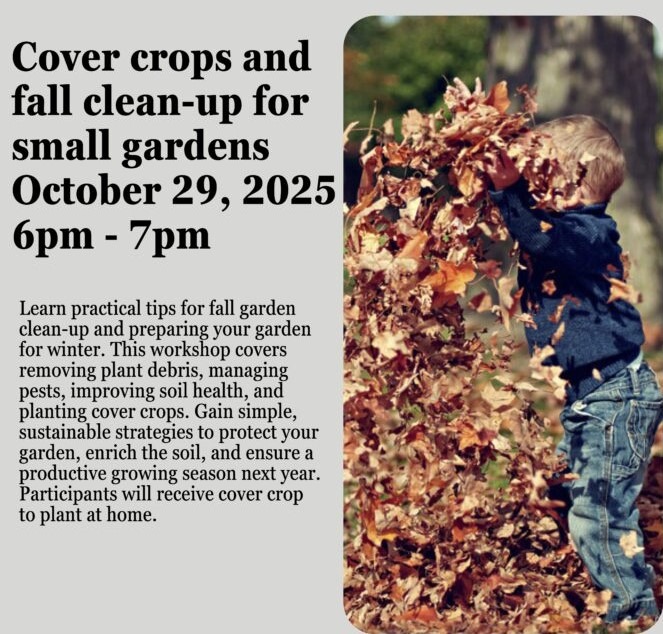
The Town of Stratford is working with the University of Connecticut and the Stratford Health Department to bring Fall Gardening Workshops. You can sign up for them at: https://www.stratfordct.gov/page/community-gardens
The next workshop will be focusing on fall garden clean-up.
The Stratford Historical Society has planted and maintains a historical garden that grows native plants once used by Indigenous peoples for food, medicine, and tools. Today, they support pollinators and teach visitors about sustainable, historical gardening practices. Rooted in the past, growing for the future!

https://www.facebook.com/JHhistoricgardens
To read more about the National Wildlife Association “Leave the Leaves” and sign the pledge, go to https://www.nwf.org/Leavetheleaves#:~:text=National%20Leave%20the%20Leaves%20Month,Learn%20More