


Philosopher Aristotle once said, “It is the mark of an educated mind to be able to entertain a thought without accepting it.” For me, these words encourage study and learning how to think analytically and independently. Each person has the God-given ability to form their own assessments and opinions of what is happening around them. Children may be the exception as they need the guidance of their parents and teachers, but once they reach the age of 10 or 12 years of age, they are encouraged to develop their abilities to think critically. They must evaluate the information they get and how they will apply it.
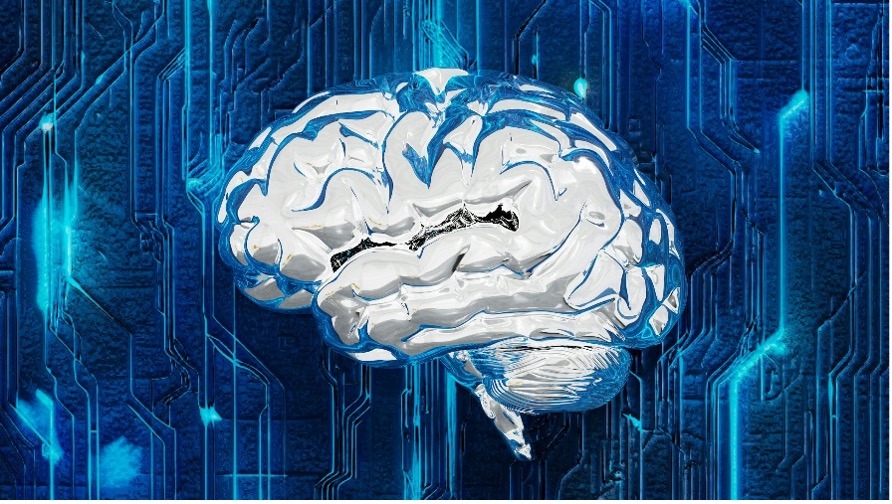
The mind is usually tied to the brain, but they are not the same thing. A video that helped me understand this concept better was a comparison of the brain and the mind as a computer system. The brain was viewed as hardware because it is a physical organ like a computer with all its parts. The mind was viewed as software which programs the brain and its responses. Like an operating system, the mind processes the information of our senses and “gathers, stores and manages the data.” Since I am not an academic or a neurologist, I appreciated this comparison.
How we understand our brains and use our minds comes from our life experiences. If we experience physical trauma that injures the brain, it can drastically change our physical functioning and impact our behavior. This includes the influence that trauma has on our mental health and how we see things after an accident, injury, or some other life altering event. Neglect, abuse, betrayal, exploitation and theft are a few things that have a negative impact on the state of a person’s mind. Those experiences change their perspective on life and how they will act in the future, for good or for ill. Scientists, physicians, psychiatrists, psychologists, social workers, educators, philosophers and pastors all have some interest in understanding the mind and how it works. The mind and mental health must be a concern for promoting the wellbeing of every person in our society as much as any other aspect of healthcare.
As a religious professional in a hospital, I am often referred to patients who need to sort out the complex feelings they have after a new diagnosis, bad news, a lingering illness, a misunderstanding with providers or conflict with family members. My job is to listen, clarify what they understand, and serve them in whatever way is helpful and in line with my scope of practice. If they want me to pray, give scriptural examples of things, or just listen as they sort things out, I do just that. If they are asking for something that is not in my professional wheelhouse, I make the necessary referral.
Our minds are complex and intangible. They are the essence of our personalities, and some would say our souls. Another word used is psyche, which is the Greek word for soul. This is why a spiritual connection to the Holy is important in helping with moral-ethical decision making and how we understand our role in the world. It is no accident that recovery programs use the reliance on a Higher Power as the first step to overcoming an addiction. Those who are addicted come to realize that they are powerless to reform on their own and seek help outside themselves. From there, people in recovery support each other in their struggles and look to how they will engage with others in the future. Many scriptures encourage us to keep the faith and love God with all our “heart, soul, mind and strength and to love our neighbor as ourselves.” (Mark 12:30-31) The prophet Isaiah affirms the Godly-minded person by assuring them of the peace of mind they have in relation to their Creator and Sustainer as they walk on earth with integrity. (Isaiah 26:3)
It is important to preserve the health of our brains and our minds with good habits like eating nutritious food, restorative sleep, and avoidance of toxic substances or situations. A neuroscientist recently wrote for CNBC about how he keeps his brain strong and healthy and it confirms the trending views on technology and mental health. The current movement against excessive scrolling on social media and more in-person interaction is a start to cultivating a sound mind. The recent rulings against the media companies where children and young people either died by suicide or became overly dependent on their phones should sound an alarm against the overuse of technology. Another movement that is frightening are the web sites and blogs that promote extremist and radical beliefs that are racist, misogynistic, harmful and generally false about people who are different and vulnerable in our society. Those misguided beliefs translate into the horrendous acts of violence perpetrated on women, children, minorities and other religious groups. Sadly, our exposure to technology through a 24-hour news cycle is desensitizing us to the horrors of perpetual violence and incessant falsehoods. How can we turn from this pathology and choose to flourish?
All people deserve the opportunity to live in a more humane and natural environment (enjoying the outdoors through sport and recreation, taking up a new hobby or intellectual pursuit, and learning how to socially engage when there is no technology available). Our bodies and minds can be reprogrammed to seek what is life-giving and healthy for us. We can turn back to understanding and preserving the environment, engage the activism that connected us in the past, and bring justice and equity to our society again. We must connect to what is good and right about our world amid the inequality, war, greed, and violence that is so prevalent all around. Our best minds can assess the problems and create solutions if we recognize their worth and support them; not just the scientists, academics, and government leaders, but the children and young people around the world who deserve hope and a future. My prayer is that we use our minds for their best purposes of seeking beauty, justice, clarity and wisdom for the world. I believe that our God did not give us a spirit which leads to fear and intimidation but one of love, autonomy, and a sound, healthy mind. (2 Timothy 1:7)

