


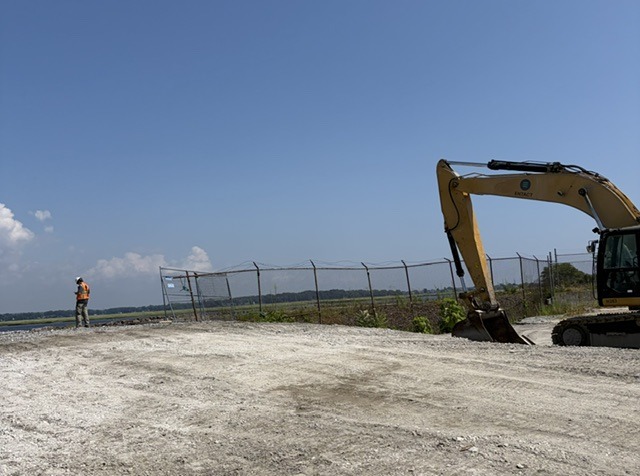
On August 6th, Mayor David Chess, Town officials, and the Point Stratford group came together to celebrate the cleanup of the tidal flats located on the former Army Engine Plant. The Plant was built in 1929 by Igor Sikorsky, and was utilized during WWII to build and manufacture aircraft and helicopters. Most notably, these helicopters saved the lives of over 2 million people worldwide.
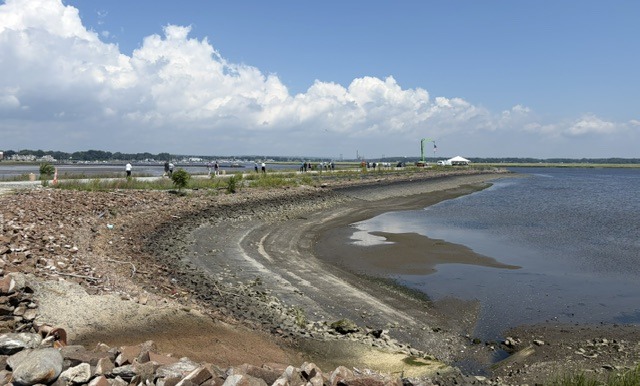
The project was initially estimated to take four years and cost $135 million. However, it was remarkably completed in 18 months, at a cost of $74 million. With the clean up being complete, Stratford is turning their attention to the site’s future. Mayor Chess stated: “We could have boardwalks, attractions, (and) green space for people to come together… We’re envisioning water view housing, retail, restaurants, perhaps a hotel… and more.” This clean up paved the way for a major transformation, changing the state of the old site into land full of potential. Mayor Chess’ plan for creating new public spaces, such as housing and restaurants, marks a significant turning point for Stratford.
The cleanup is way ahead of schedule, thanks to the creative approach taken by Jim Cabrera, principal of Point Stratford Renewal (PSR), who shared that they “…used sheet pile walls to create a temporary reservoir, allowing the dredging to proceed without the influence of tides.” Additionally, he added that it also eliminated an extra 2,000 truck trips through local roads. With this in mind, officials are now starting to think ahead concerning the future for the former Army Engine Plant and what it means to restore this historic area. Leaders that took part in this project emphasize that the work from here on out is far from over and that there is much to be done.
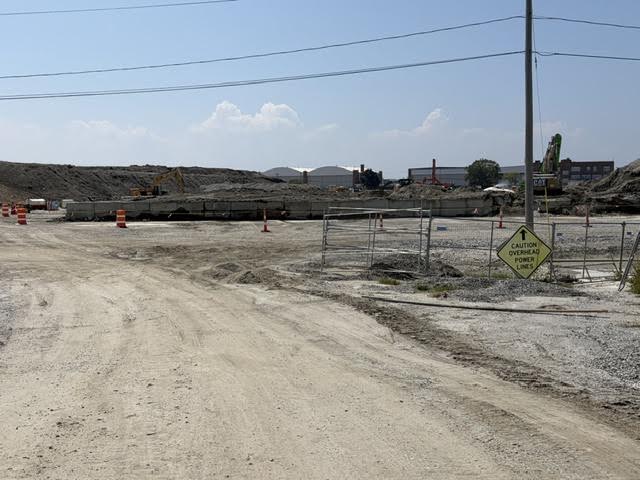
Mayor Chess announced that “Today is not just about the history of Stratford, but the history of Connecticut and unlocking the future for the next generation.” While he continued to explain and reminisce about the historical use of the area, he also acknowledged the true meaning of celebrating such a major accomplishment, acknowledging the great collaboration between the government and the people, and the role they played in restoring the tidal flats. He added that this new chapter will hopefully put Stratford on the map as a destination people would come to visit, and that the next phase will take a community to do all this hard work.
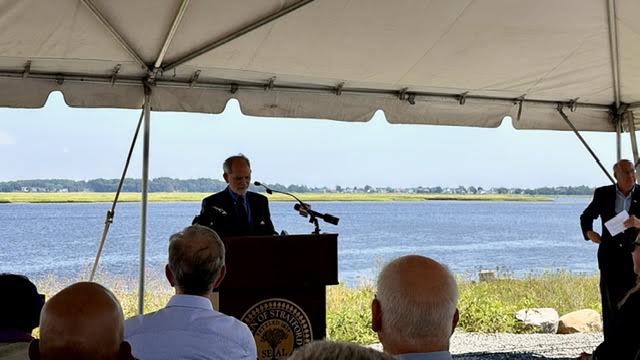
As the press conference came to an end, Connecticut’s Governor Ned Lamont declared alongside two other officials that, “As the federal contractor and land owner of the 77 acres in partnership with the federal government, we would like to officially return the tidal ponds back to the state of Connecticut, remediated and capped.”
Ultimately, this milestone proves how much change can occur when government agencies, private developers, and local citizens come together around a common goal. This now sets the stage for future collaborations that can potentially transform other environmental areas in Stratford into vibrant destinations that people would enjoy being in. Stratford now is slowly turning towards a cleaner and brighter future.


