

How could I not know who Jason Arday was?
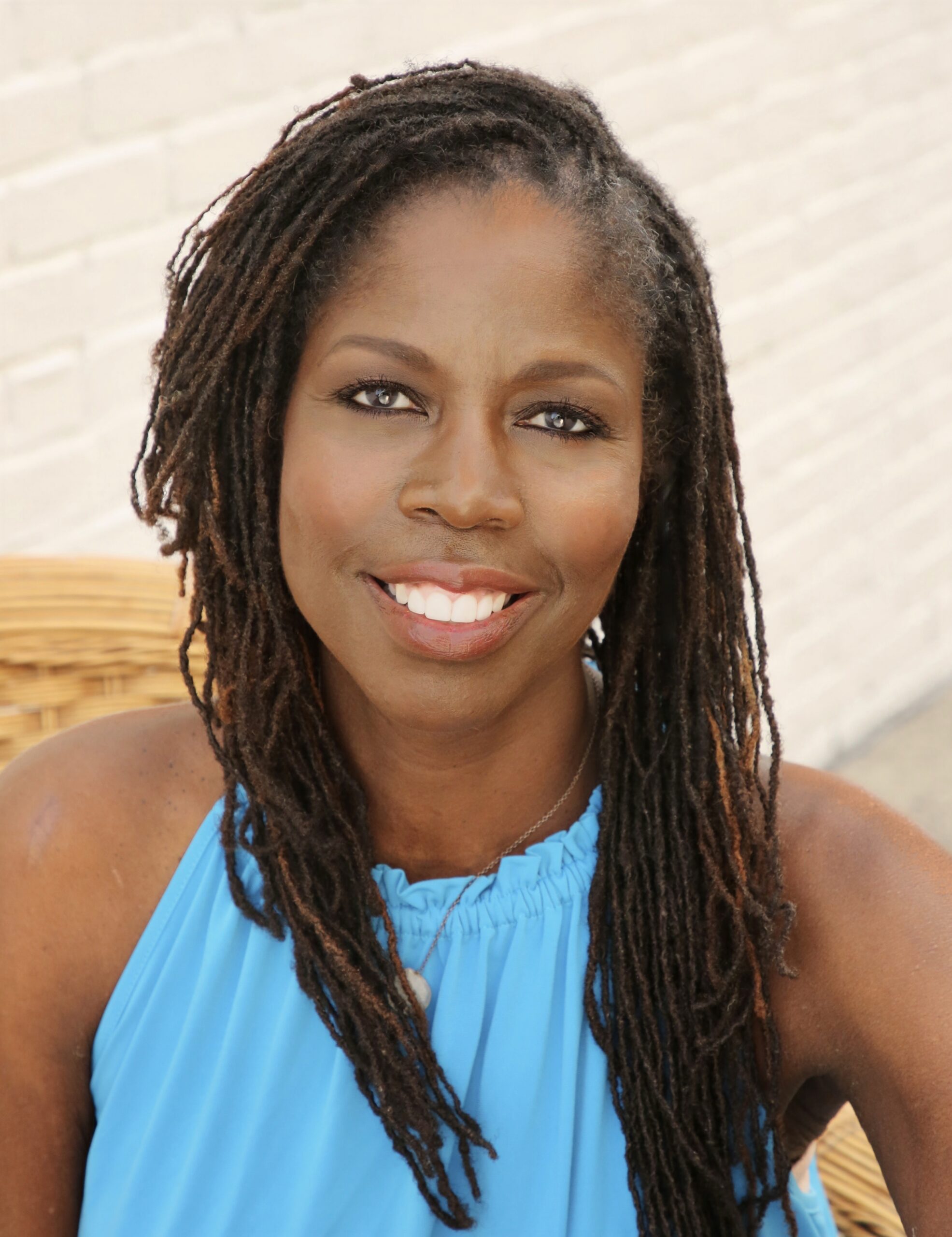
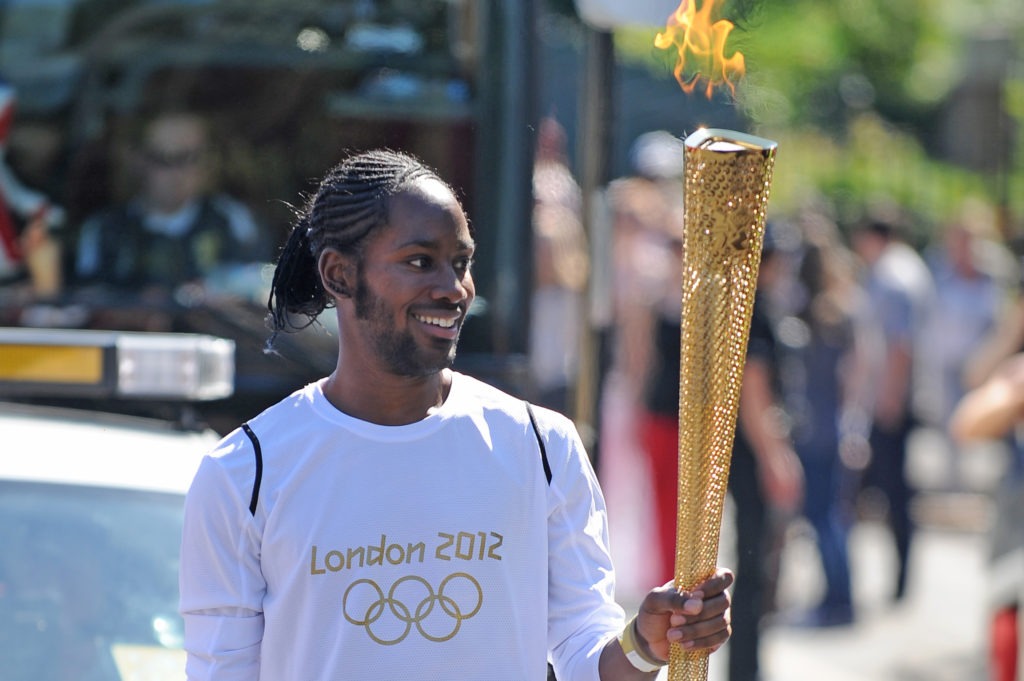
I didn’t know the lovely young 41-year-old whose image popped up when I searched for his name. I discovered that not only was Jason Arday the first and youngest black-British sociology professor in Cambridge University’s 800-year history, but he was also the topic of a great deal of controversy. After earning his Ph.D., he became the only black autistic professor at Cambridge and presumably throughout the entire country of England, as well as across the U.S. His rise to fame was spectacular and he was very popular both among students and faculty members.
I had been too busy attending to the demands of my own life as a black neurodivergent female professor who is also an autism mom, an autism advocate, and a scholar of Critical Autism Studies and Black Neurodiversity Studies.
I am too busy, like Jason, masking and performing the role that has enabled me to succeed in academia at not one but four different predominantly white institutions where I was the only black person in my department/program as well as the only black neurodivergent woman. I was flying solo, fueled by my desire to conform to the norms and expectations of high-powered research universities, like Stanford and Yale, as well as at my current position as associate professor at a highly competitive liberal arts institution.
I was Jason Arday.
I had already thoroughly researched and documented the entire manuscript. It was all there in my head waiting to be unlocked. Yet, I could not write because I was trying to use a voice that was not my own. So I kept struggling and trying to revise my doctoral thesis. I failed.
Instead, eventually, I realized I had to rewrite. Everything else (doctor’s appointments, social events for the kids, even my own therapy sessions) had to be scheduled around my writing time. My work was valuable enough to prioritize it. I applied for a fellowship and reworked my book during the non-teaching summer months and then completed it while teaching a full load at Trinity College and commuting 2 and a half hours each day.
I remember lamenting to the then first black female president at my college, who was also a neuroscientist, that it was hard being the only black person in my department. She laughed and told me she was very familiar with being the only one. Rather than offering any support or strategies, she seemed to suggest that I should just grin and bear it. I guess we must first suffer as “the only one” in order to succeed in such a highly competitive career at a top tier institution.
Like Jason, I have spent my lifetime navigating both the world of white supremacist academia and the autism industrial complex. When I heard about Jason Ardary, I cried.
He could have been me or one of my young adult children. Statistics show, women and people of color get diagnosed much later than their white male counterparts, if they get diagnosed at all.
The danger of not knowing that someone has autism is in misreading their non-neurotypical behavior. Instead of getting support and help, they are perceived as dangerous or difficult. This is not merely a possibility. It is a documented reality. In cases across the U.S., black men with autism have been policed, incarcerated, and even killed because of their neurodivergent mannerisms.
Jason Arday’s life and death represent the perfect storm of race, neurodivergence, anti-DEI rhetoric, and plain old racism and sexism. Being entrenched in the world of autism spectrum disorders 24/7, and also in the world of performing white elite able-bodied, able-minded masculinity, I, like Jason, am always aware that autism cannot be relegated to to the margins. It is part of our identity.
Autism (and blackness) require a way of being in the world and surviving in a world of norms that were not designed to fit your body or mind. And, although things are changing (at a glacial pace!), the world is not yet open to our differences, as evidenced by the persecution and misreading that led to the defamation of Jason’s work and career, as well as to his subsequent resignation and suicide.
We still have work to do to protect our most vulnerable. Like Jason’s, their lives and experiences often remain under the radar, and are at risk of becoming highly visible targets of scorn, condemnation, and discriminatory practices.
More on Diana’s work can be found online, her interactive digital website, and pre-order her forthcoming book, Black Autism and the Neurocolorline.

