


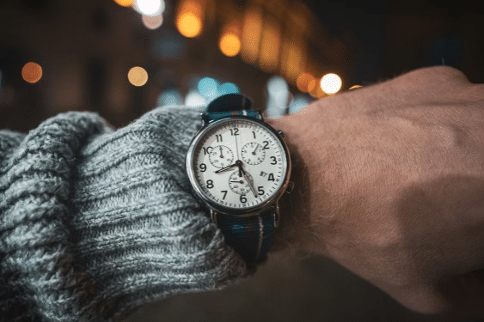
We live by clocks, calendars, and schedules. Whether we are aware of it or not, time has moved us along personally, historically, and physically. Time is a complex concept. It can refer to the duration of an action or event, an occasion, a season or a beat in music. We are all influenced by time and its passage affects all of us. Recipes require us to adhere to a certain amount of time for cooking. First responders know that responding quickly to an emergency, could mean the difference between life and death. Our efficiency is measured by how quickly we can do something like running a race or delivering a package.
Time passes or drags depending on who is experiencing the duration of a moment. It can go too quickly if a deadline is looming over you or crawl if you are trying to get through traffic. Children’s author, Dr. Suess wrote about time. He asks,“How did it get so late so soon? It’s night before it’s afternoon. December is here before it is June. My goodness how the time has flewn. How did it get so late so soon?” These childlike questions remind us how time passes more quickly than we realize.
We are halfway through November, and I am certain that many are thinking about how they will observe Thanksgiving with their thoughts then marching on to how to possibly celebrate Christmas, Hanukkah, or Kwanza, as if it were a crisis. People will ask themselves, “How much time will I need to shop and get ready for all the parties and gifts that I will need to provide for family, friends, and coworkers? Maybe I can save time by shopping online. If so, will the order arrive on time so I can send it to them? Or we may even ask,“Can I forego the dreaded holiday party at work so I can save time and money?” This question makes me realize that we must manage time as a precious resource, in the same way we allocate finances.
Many of us do not realize the value of time, until we lose it. Roman philosopher, Seneca, once said, “It’s not that we have a short time to live, but that we waste a lot of it.” It is true that time lost is never recovered. So, before we panic about the hustle and bustle of the holidays, let’s stop to think about a few things. We only have 24 hours in a day. So, let’s figure out what we must do first. Make a list. Prioritize the things that are necessary. Break those down into smaller tasks. Then we can block out specific time to focus on them. If we name our short-term objectives, that can help us with clarifying larger goals. Then limit anything that could distract, interfere, or interrupt your work. Turn off the TV. Save the on-line browsing for later unless it is part of your research. Don’t respond to the phone (texts, calls, notifications). Close your door to show that you don’t want to be disturbed. Make these steps part of your routine so you can manage the time you have.
After a week or so, look back on what you have done and see if these steps were helpful. If so, keep using them. If not, make some adjustments. Doing this earlier gives you time to make course corrections so that you can sail through the holidays without too much stress. You may surprise yourself by finding that you have the gift of discretionary time to do the things that you would like to do or discover new things. My wish for you is that you find time to do what is needful and important to you over the holiday season, and that you find time for yourself as well.

